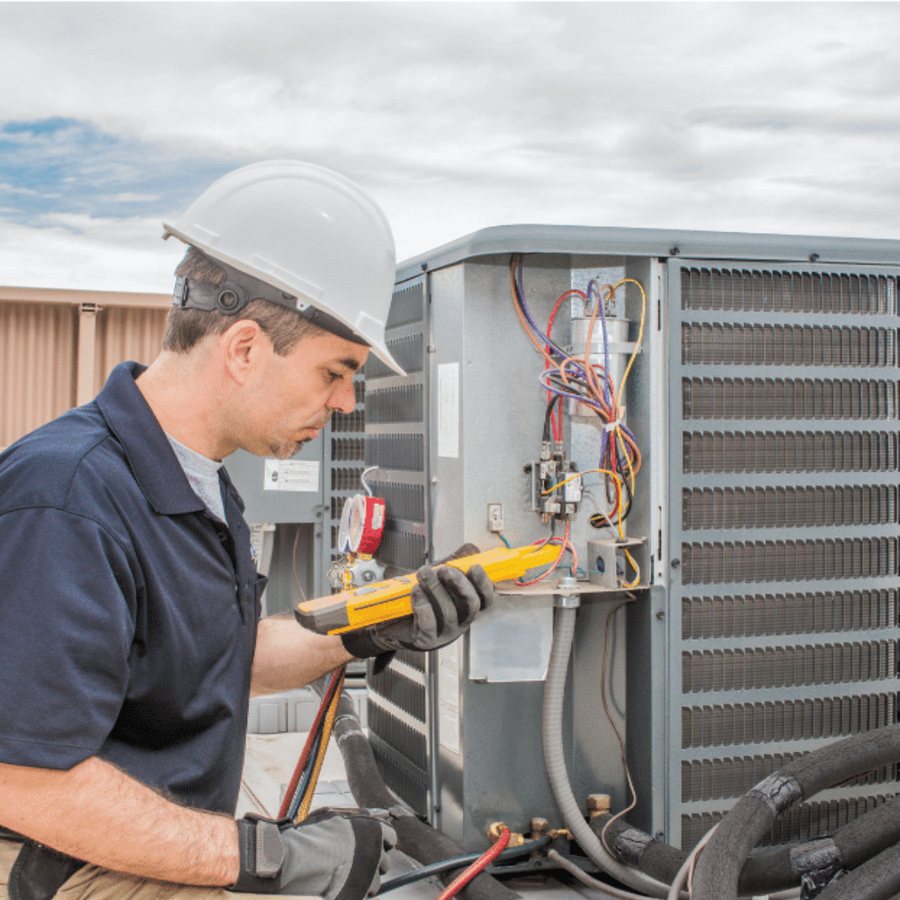
Request furnace repair for a property in Newmarket. Include the equipment, the problem or planned work, and your location so the request can be reviewed.
What should I note before requesting furnace repair?
A furnace that will not start, produces uneven heat, or makes an unfamiliar sound needs diagnosis tied to its operating sequence, not just a symptom-based part guess. The service request can note when the fault occurs, any displayed error code, and which rooms are affected. Inspection may distinguish an ignition or gas-pressure problem from restricted airflow, a condensate issue, or a control fault. Findings also help determine whether targeted repair is appropriate or whether damage changes the repair decision.
Diagnosis can include reviewing the fault code and operating history, then checking ignition sequence, gas pressure, airflow, condensate drainage, and the heat exchanger as applicable to the furnace. Filter condition, blower operation, and duct static pressure help explain weak or uneven heat. If a heat exchanger is damaged, the model, condition, and repair scope matter when comparing repair with replacement.
Ignition sequence, gas pressure, and heat-exchanger assessment
Filters, blower, condensate drainage, and duct static pressure
Repair-versus-replacement decisions based on condition and findings
Assessment and Scope
Questions for the Proposed Work
01
Separate ignition faults from control faults
A furnace that does not start may have a fault in its ignition sequence, gas supply measurement, sensor, or control operation. The sequence and any stored code help distinguish where operation stops; checking gas pressure and combustion-related components requires qualified service. Record what the thermostat displayed and whether the furnace attempted to start. Those details guide investigation without assuming that every no-heat call needs the same part.
02
Trace uneven heat through the air path
Weak airflow or rooms heating unevenly can relate to a restricted filter, blower-wheel condition, duct resistance, or a condensate drain affecting operation. A technician can inspect these components and measure duct static pressure to see whether the system is moving air within its design limits. Comparing the affected rooms and the furnace's operating pattern helps separate a distribution problem from a burner or thermostat fault.
03
Compare repair with replacement when damage is found
A repair decision depends on the specific failed component, furnace condition, and safe operating findings, rather than a fixed rule based on age or repair cost. Suspected heat-exchanger damage warrants careful assessment because it can change whether continued operation is appropriate. For other faults, compare the repair scope with the condition of the remaining equipment. Maintenance checks should follow the furnace manufacturer's instructions and inspection findings.
Compare the next step
Agree on who can respond locally if remote temperature monitoring shows a problem. Ask which alerts the installed controls provide and which conditions require on-site assessment. Keep the appliance information and access instructions available to that person; internet connectivity alone does not establish that heating remains dependable.
Leave burner, fuel, venting, electrical, and internal equipment work to a qualified contractor. Do not bypass a safety switch or repeatedly reset a furnace.