What details help distinguish an airflow fault from a cooling-system fault?
When cooling is weak, uneven, noisy, or absent, diagnosis should identify whether the fault is in controls, airflow, the refrigerant circuit, or an electrical starting component. A request can describe which rooms are affected, when the symptom began, and whether the system starts and then stops. Central air and ductless equipment have different air paths and components, so the system type and model help define the inspection. Repair and replacement decisions depend on findings and equipment condition.
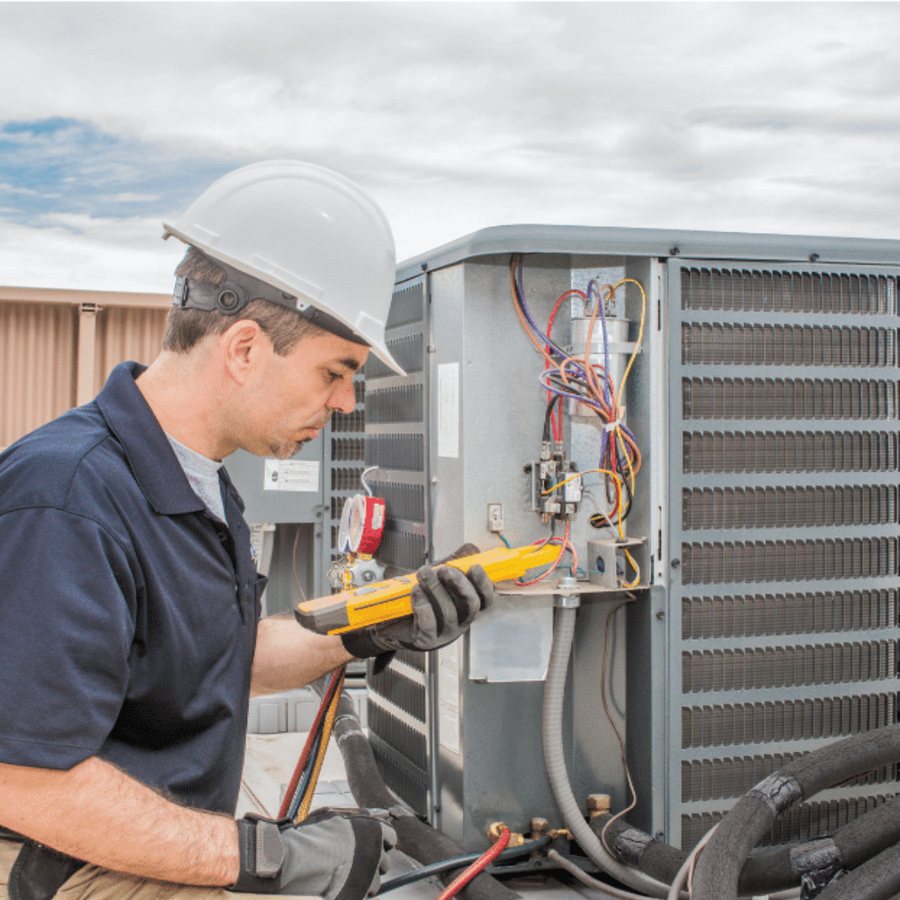
Assessment may compare thermostat calls, indoor airflow, coil condition, and outdoor-unit operation. Refrigerant-circuit measurements require qualified service, while a capacitor, contactor, fan motor, or control-board fault calls for a different repair scope. The equipment type, age, condition, and documented fault help compare a targeted repair with replacement, especially when a compressor or recurring refrigerant leak is involved.
Starting components, controls, fan motors, and board fuses
Airflow, coils, and refrigerant-circuit diagnosis
Repair or replacement decisions for compressor and recurring faults
Assessment and Scope
Questions for the Proposed Work
01
Identify starting and control faults
A unit that clicks, hums, or fails to start may have a capacitor, contactor, fan motor, fuse, or control fault. These components cannot be identified reliably from the sound alone; inspection and electrical measurements establish what has failed. Note whether the indoor fan operates and whether the outdoor unit attempts to start. That pattern helps narrow the diagnostic path without treating every no-cooling complaint as a compressor failure.
02
Check airflow, coils, and the refrigerant circuit
Warm supply air or weak cooling can follow restricted airflow, a dirty or obstructed coil, or a refrigerant-circuit problem. A technician can compare airflow and coil condition with operating measurements, then determine whether refrigerant diagnosis is needed. Central systems and ductless mini-splits have different indoor arrangements, so identify which equipment is installed. A confirmed leak or charge issue needs a cause-based repair, not an assumed adjustment.
03
Use condition and fault to compare options
A failed capacitor or contactor may have a different repair scope from a compressor fault. Compare the confirmed repair, the remaining equipment condition, and the implications of replacement rather than applying a universal cost threshold. Maintenance inspection can identify coil, airflow, thermostat, or duct concerns, but it is separate from repairing a fault. Follow manufacturer instructions and inspection findings when determining any maintenance work.
Compare the next step
Ask what the remote controls reveal about a cooling fault and what still requires a visit. Establish who can inspect accessible areas for water or damage and authorize service while the owner is absent. Compare the monitoring feature with a practical access and response arrangement rather than relying on an app notification alone.
Do not open electrical panels or handle refrigerant. If ice, water near electrical equipment, or abnormal operation is present, stop using the affected system and request an assessment.