Every January, emergency no-heat calls spike across Ontario, and the backstory is almost always the same: the furnace had been signalling for weeks. A sound here, a cold room there, a bill that made no sense. This article is about catching those signals while they are still cheap to fix, before a cold snap turns a small repair into an emergency.
Watch Comfort and Airflow Together
Uneven heating from room to room. When one floor bakes while another stays cold, the usual suspects are leaking or blocked ducts, a weakening blower motor or a thermostat reading the wrong temperature. Weak airflow from the registers. Hold a hand near a supply vent on a cold day: if the air is warm but barely moving, a clogged filter, duct restriction or tired blower is robbing the system. The furnace compensates by running longer, which adds strain and shows up on the next gas bill.
Getting a Straight Answer
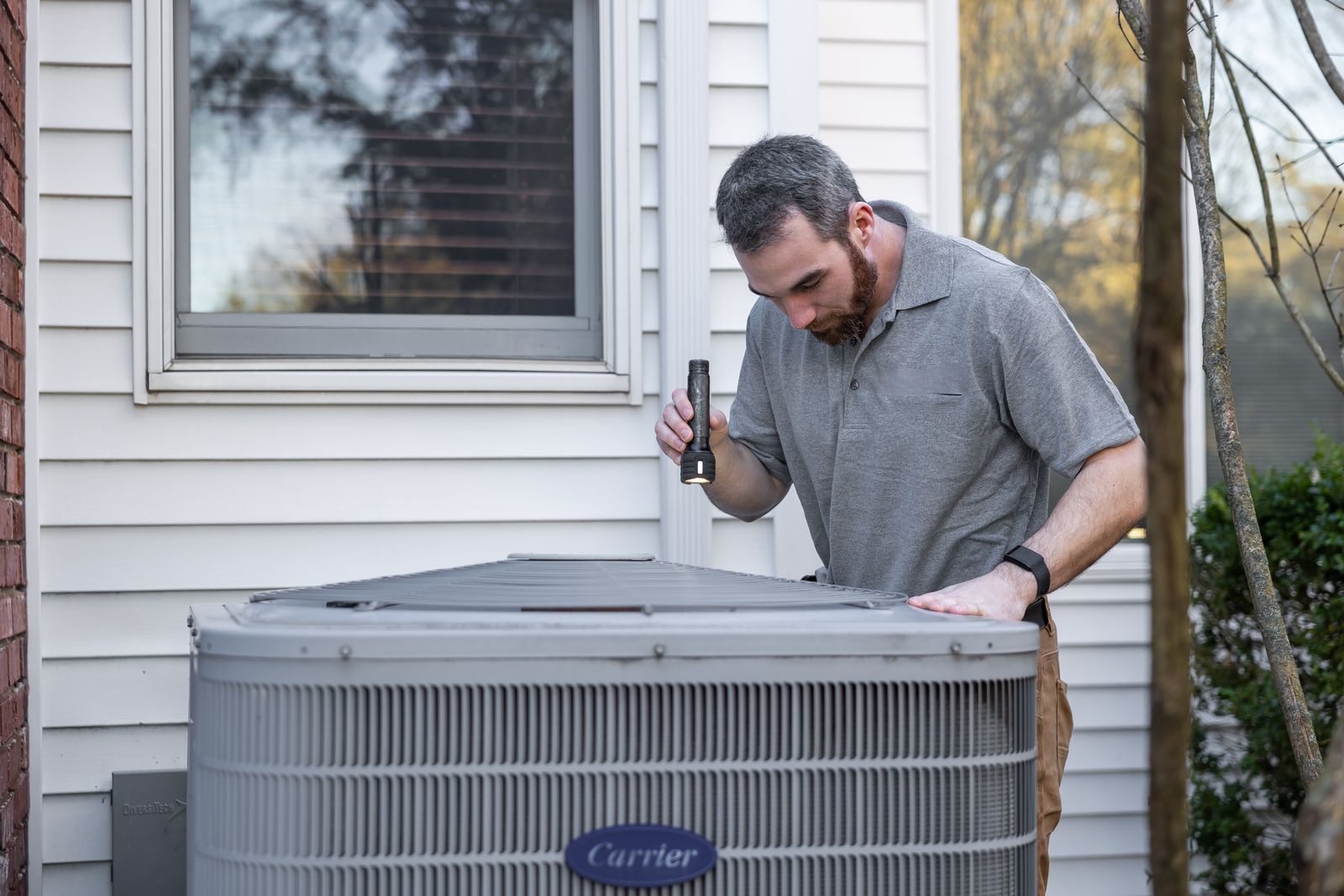
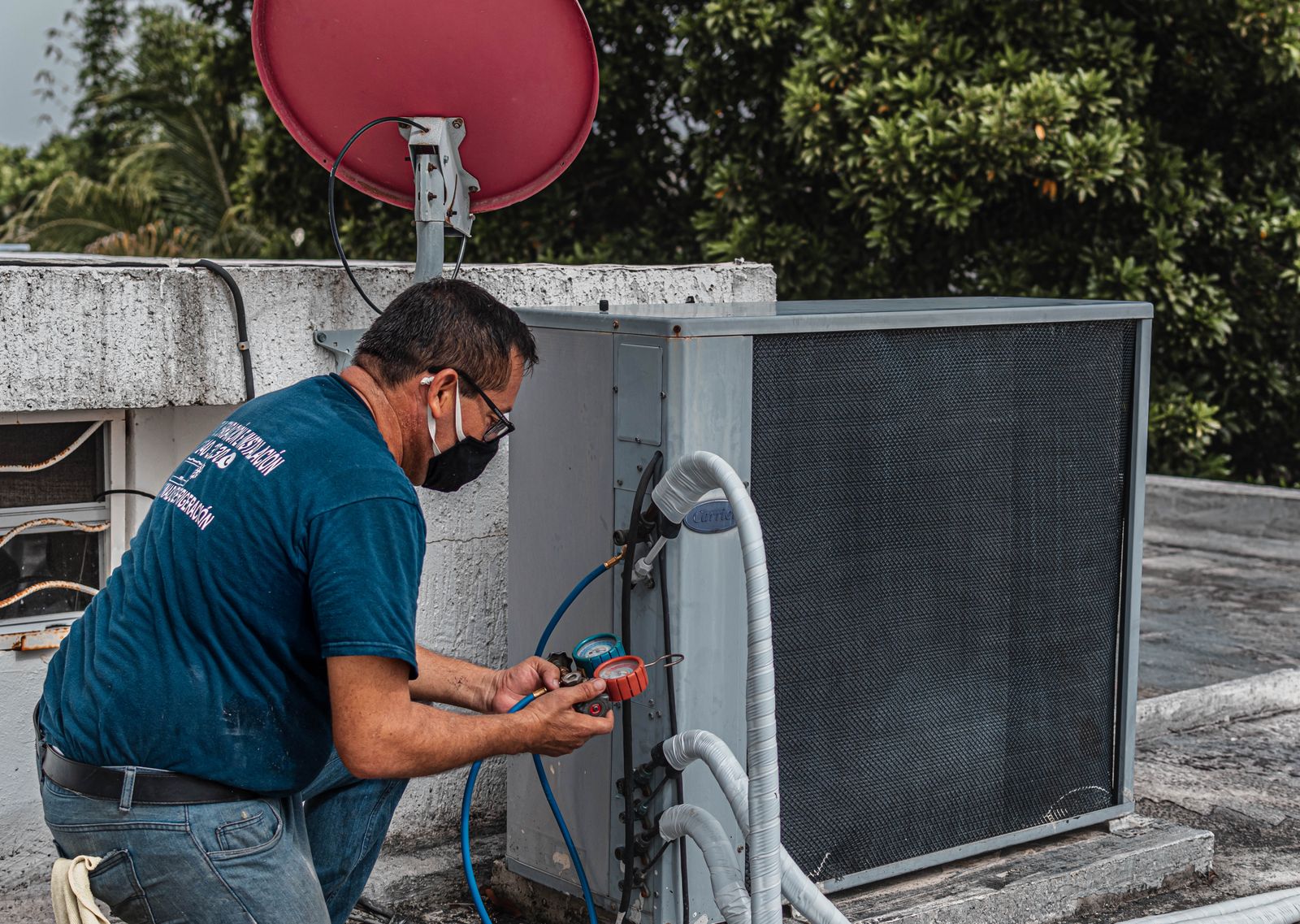
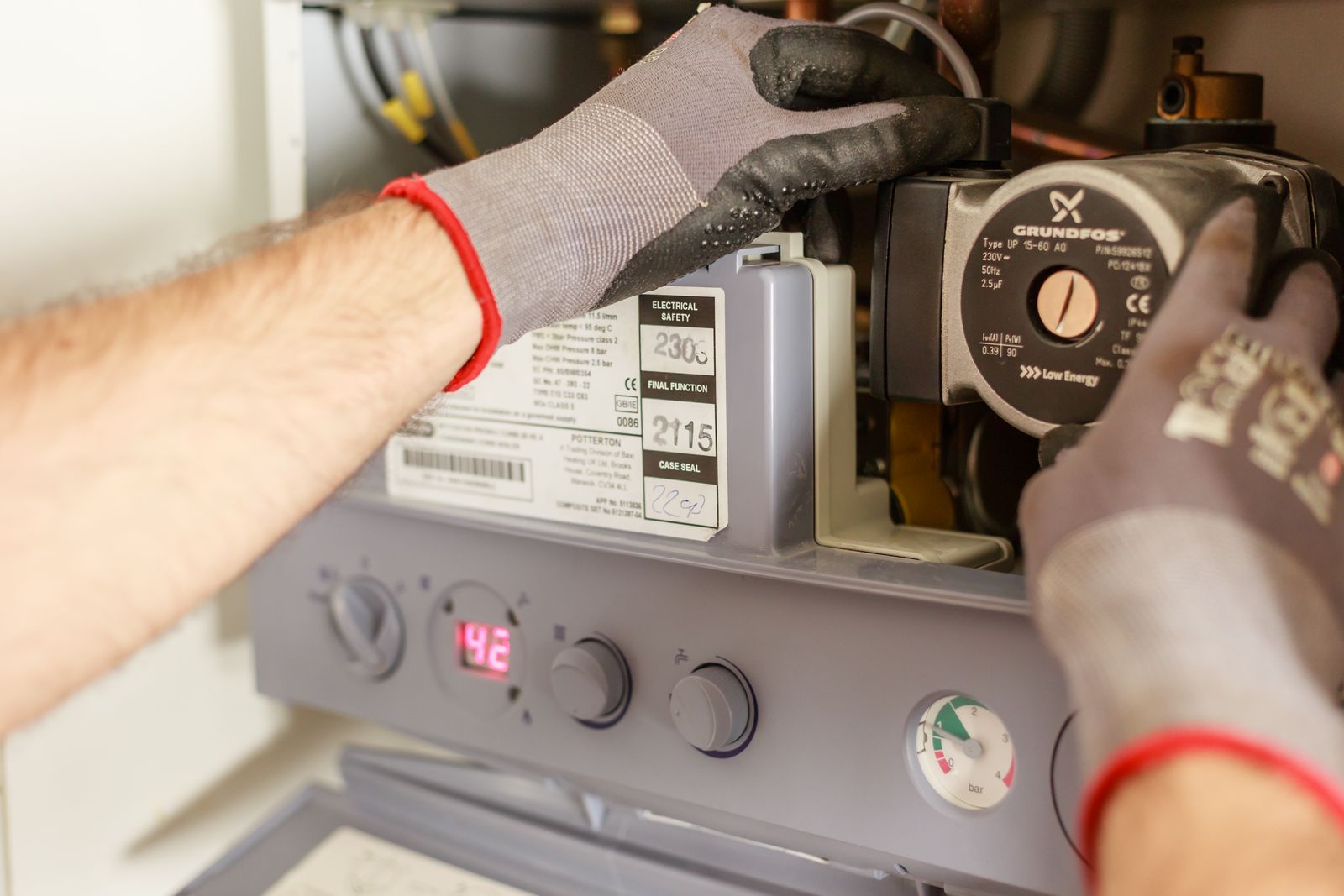
When you book a diagnostic, the technician arrives equipped to test rather than guess: combustion readings, static pressure for airflow, thermostat and limit switch checks, and a visual inspection of the heat exchanger. The visit ends with findings in plain language and a prioritized list, so you know what is urgent, what can wait and what it costs before agreeing to anything.
Cost and Behaviour, Read Together
Rising heating costs. An inefficient furnace is a slow leak in the budget. When airflow drops or combustion gets dirty, the burner runs extra hours each week to hold the same temperature, and those hours are billed at current rates. Frequent cycling. Listen for a furnace that starts, runs briefly and shuts off, only to repeat a few minutes later. A dirty filter, a misbehaving thermostat or a tripping limit switch is usually behind it, and the start-stop pattern is hard on igniters, relays and the heat exchanger. One symptom drains the wallet, the other drains the equipment.
What Your Furnace Is Saying by Sound
A furnace that has found its voice. Sounds map onto parts better than most homeowners expect. A high screech or grind is metal on metal, typically bearings in the blower motor or a belt at the end of its life, and it should be checked before the motor pays the price for the delay. A rattle is something loose, from an access panel to a duct joint. Rapid clicking at startup means the system is struggling to light, which often traces to the igniter or flame sensor.
The Sign That Should Stop Everything
A yellow pilot flame. Blue means clean combustion. Yellow or orange means fuel is not burning completely, a combustion problem with a carbon monoxide risk attached, since a flame that cannot finish its burn can leave CO where it does not belong. Do not wait for a convenient appointment window: stop using the furnace and get a licensed technician out promptly. Test that carbon monoxide alarms near the sleeping areas work, treat any alarm event as a leave-the-house situation, and let a pro verify the burner, the venting and the heat exchanger before the system runs again.